Dental travel tips: your practical 2026 guide
TL;DR:
- Dental travel involves careful planning, verified clinics, and structured aftercare to ensure safety and cost savings. Proper documentation, ample preparation time, and thorough clinic verification are essential for a smooth and successful treatment abroad. Arranging post-treatment follow-up with your home dentist safeguards long-term outcomes and patient satisfaction.
Dental travel tips are the practical guidelines that help patients plan, select verified clinics, and prepare effectively for dental treatment abroad, maximising safety, savings, and satisfaction. Dental tourism, the recognised industry term for travelling overseas specifically for dental care, has grown substantially among UK patients seeking procedures such as implants, crowns, and veneers at a fraction of domestic costs. Savings of 50 to 70% are achievable compared to UK prices, with destinations including Albania, Turkey, Hungary, and Poland consistently popular. Clinicgroup connects patients with verified clinics across Europe and the Middle East, making the entire process more transparent and less stressful.
1. Dental travel tips: start with a thorough home assessment
The single most important step before booking anything abroad is visiting your home dentist for a full assessment. A local clinical reference document that includes X-rays, a diagnosis, and a treatment plan gives overseas clinics the precise information they need to produce accurate, non-variable quotes. Without it, you risk receiving estimates based on assumptions, which frequently change once the clinic examines you in person.
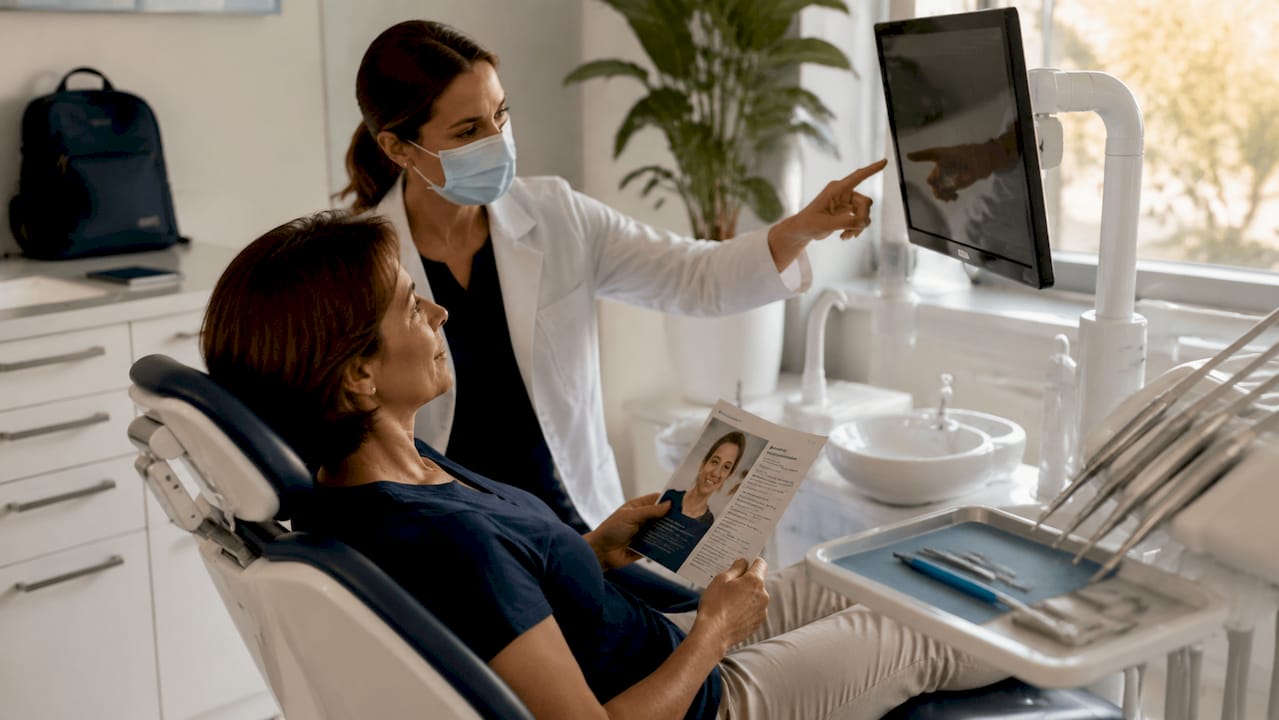
Gather your dental charts, recent X-rays, and any existing treatment notes. If you have had CBCT scans, include those too, as they are particularly relevant for implant planning. This documentation forms the foundation of every quote you will receive and every treatment plan that follows.
Pro Tip: Ask your home dentist to write a brief clinical summary in plain English alongside the X-rays. Overseas clinics appreciate clear context, and it reduces the chance of miscommunication during your remote consultation.
2. Plan your timeline well in advance
Standard procedures require 4 to 8 weeks of preparation time, while complex cases such as full-arch implants or multiple crowns need 8 to 12 weeks. Rushing this process is one of the most common mistakes first-time dental tourists make. Clinics need time to review your case file, schedule lab work, and coordinate specialist availability.
Use the planning period to refine your treatment needs, confirm your budget, and research destinations. For patients considering scheduling appointments abroad, understanding clinic availability and local public holidays in your destination country is equally important. Albania and Dubai, for instance, have different peak seasons that affect clinic scheduling.
3. Contact multiple clinics and compare written quotes
Contact at least 3 to 5 vetted clinics and request itemised, written quotes in English before committing to any booking. This is non-negotiable. A single quote gives you no frame of reference for quality or pricing. Multiple quotes reveal whether a clinic is pricing competitively or simply offering the lowest number to secure your booking.
When comparing quotes, look beyond the total figure. Examine which implant brands are specified, whether the quote includes temporary restorations, how many clinic visits are required, and what the warranty terms cover. A quote that appears 20% cheaper may exclude lab fees or post-operative consultations that a more transparent clinic includes upfront.
- Request quotes in writing, not verbally over the phone
- Confirm whether VAT or local taxes are included
- Ask specifically which implant or crown brand will be used
- Check whether the quote covers complications within the warranty period
4. Verify clinic accreditations and dentist credentials
Accreditation is the clearest signal of a clinic’s commitment to safety and quality. Look for internationally recognised standards such as JCI (Joint Commission International), ISO certification, or membership of bodies like the ITI (International Team for Implantology), ICOI (International Congress of Oral Implantologists), or EAO (European Association for Osseointegration). Verifying dentists’ international memberships and requesting documented implant batch numbers provides an additional layer of quality assurance.
Independent reviews on platforms such as Trustpilot, Google, and WhatClinic offer unfiltered patient experiences that clinic websites cannot replicate. Reading clinic reviews before travelling is one of the most reliable ways to assess real-world patient satisfaction. Avoid any clinic that cannot provide verifiable credentials, dismisses your questions, or applies pressure to book quickly.
| What to verify | Why it matters |
|---|---|
| JCI or ISO accreditation | Confirms the clinic meets international safety and hygiene standards |
| Dentist’s ITI, ICOI, or EAO membership | Demonstrates specialist-level training and peer accountability |
| Implant brand and batch number | Allows future maintenance and confirms product authenticity |
| Written warranty terms | Clarifies what is covered if complications arise after you return home |
| Independent patient reviews | Provides unfiltered evidence of real treatment outcomes |
5. Send your full case file 2 to 3 weeks before arrival
Sending your complete dental history, including dental charts, X-rays, and medical history, at least 2 to 3 weeks before your arrival date allows the clinic to prepare custom treatment plans, order specific materials, and schedule lab work in advance. Arriving without pre-submitted documentation frequently causes delays, additional appointments, and in some cases, compromised treatment quality.
This step is particularly critical for implant patients, where the lab needs time to fabricate crowns or prosthetics to precise measurements. Clinics that operate at a high standard will request this information proactively. If a clinic does not ask for your records before arrival, treat that as a warning sign.
6. Plan travel and accommodation logistics carefully
Book flights with flexibility built in, ideally arriving at least one full day before your first appointment. This buffer accounts for travel delays and gives you time to rest before treatment begins. Avoid booking return flights too close to your final appointment, as treatment timelines can shift by a day depending on healing progress or lab turnaround.
Accommodation within 5 to 10 minutes’ walking distance of the clinic reduces post-procedure discomfort significantly. After procedures involving local anaesthetic or oral surgery, navigating public transport or long taxi rides is genuinely uncomfortable. Many clinics, including those in Clinicgroup’s network, can recommend partner hotels nearby.
Pro Tip: Pack a small dental travel kit that includes a soft-bristle toothbrush, alcohol-free mouthwash, gauze, and any prescribed medications. Pharmacies in some destinations may not stock the exact products your clinic recommends.
- Arrive at least one day before your first appointment
- Book accommodation within 10 minutes of the clinic
- Arrange airport transfers in advance, ideally through the clinic
- Keep return flights flexible, with at least one day after your final appointment
- Carry printed copies of all documents, including your treatment plan and insurance details
7. Understand what travel insurance covers for dental tourism
Standard travel insurance policies typically exclude elective dental treatment abroad. You need a policy that specifically covers dental tourism or medical travel, including complications arising from procedures performed overseas. International travel insurance guidance is worth reviewing before you finalise any booking.
Check whether your policy covers emergency dental treatment, hospitalisation related to a dental procedure, and repatriation if required. Some dental insurance plans also offer partial reimbursement for overseas treatment when pre-authorised. Confirm all coverage details in writing before you travel.
8. Prepare for your treatment week
A typical dental tourism treatment schedule follows a structured sequence: an initial clinical assessment on day one, the primary procedure on day two or three, a period for lab fabrication, a fitting appointment, and a final review before departure. Understanding this sequence helps you set realistic expectations and avoid frustration if the process takes longer than anticipated.
Adhering to clinic instructions during recovery is non-negotiable. This includes following a soft diet, avoiding alcohol, and, for implant patients, stopping smoking at least two weeks before surgery to support osseointegration. Clinics that take patient outcomes seriously will provide written post-operative instructions. If yours does not, ask for them explicitly.
- Follow the prescribed soft diet for the duration specified by your dentist
- Avoid strenuous physical activity for at least 48 hours post-procedure
- Use any prescribed antibiotics or anti-inflammatories as directed
- Keep the clinic’s contact number accessible at all times during your stay
9. Arrange aftercare before you leave home
Post-travel check-ups with your home dentist are recommended 6 to 8 weeks after returning, giving tissues time to heal and allowing your local dentist to assess the quality of the work performed. This is not optional. Your home dentist serves as the ongoing point of care for anything that develops after you return.
Good clinics build aftercare into their model, offering warranties and remote support via WhatsApp or video calls post-return. Confirm these arrangements before you book, not after. An aftercare checklist is a practical tool for ensuring nothing is overlooked once you are back home. Notify your home dentist of the procedures performed and share all clinical documentation from your overseas clinic.
Key takeaways
Successful dental tourism depends on preparation, verified clinic selection, and structured aftercare, not simply finding the lowest price.
| Point | Details |
|---|---|
| Prepare a clinical reference document | Obtain X-rays and a treatment plan from your home dentist before requesting overseas quotes. |
| Allow sufficient planning time | Standard cases need 4 to 8 weeks; complex cases require 8 to 12 weeks of preparation. |
| Compare at least 3 to 5 written quotes | Itemised quotes reveal true costs, implant brands, and warranty terms that verbal estimates hide. |
| Book accommodation near the clinic | Staying within 10 minutes of the clinic reduces discomfort during the critical recovery period. |
| Confirm aftercare arrangements in advance | Schedule a home dentist review 6 to 8 weeks post-return and verify the overseas clinic’s warranty policy. |
What we have learned from helping patients plan dental travel
At Clinicgroup, we have worked with patients who arrived perfectly prepared and patients who arrived with nothing more than a flight booking. The difference in experience is stark, and it is almost entirely down to preparation.
The most common pitfall we see is patients selecting a clinic based on price alone, without verifying credentials, reviewing independent feedback, or understanding what the quote actually includes. A single implant quoted at £400 sounds compelling until you discover the abutment, crown, and follow-up consultations are billed separately. Transparency is the standard you should demand, not a bonus feature.
We also see patients underestimate the medical nature of what they are undertaking. Dental tourism is not a holiday with a dental appointment attached. It is a medical procedure that happens to take place in another country. Treating it accordingly, with proper rest, dietary compliance, and open communication with both your overseas and home dentist, is what separates a smooth experience from a complicated one.
The destinations we work with, including Albania and Dubai, offer genuine quality at significantly lower costs than the UK. But the savings only materialise as a net positive when the planning is done properly. Verified clinics, clear documentation, and structured aftercare are not optional extras. They are the framework that makes dental travel worth doing.
— Clinicgroup
How Clinicgroup supports your dental travel planning
Clinicgroup connects patients with a verified network of dental clinics in Albania and Dubai, all assessed against European standards of care. Every clinic in the trusted clinics directory has been evaluated for accreditation, specialist qualifications, and patient outcomes. The platform supports patients from the first consultation through to aftercare coordination, including clinic matching, travel logistics, and partner hotel recommendations.
For patients exploring their options, the available treatments page provides a clear overview of procedures offered across the network, from dental implants and veneers to full-arch restorations. Transparent pricing and patient-first support are at the centre of how Clinicgroup operates. If you are ready to take the next step, the team is available to guide you through every stage of the process.
FAQ
How far in advance should I plan a dental trip abroad?
Standard dental procedures require 4 to 8 weeks of preparation, while complex cases such as full-arch implants need 8 to 12 weeks. Planning ahead allows time for assessments, documentation, clinic coordination, and lab work.
What documents should I send to an overseas clinic before travelling?
Send your full dental history including X-rays, dental charts, and medical background at least 2 to 3 weeks before arrival. This allows the clinic to prepare a precise treatment plan and order any required materials in advance.
How do I verify that a dental clinic abroad is reputable?
Check for JCI or ISO accreditation, confirm the dentist holds memberships with bodies such as the ITI or EAO, and read independent reviews on Trustpilot, Google, or WhatClinic. Requesting implant batch numbers and written warranty terms also confirms a clinic’s commitment to quality and traceability.
What aftercare should I arrange after returning from dental treatment abroad?
Schedule a review with your home dentist 6 to 8 weeks after returning, and share all clinical documentation from your overseas clinic. Confirm before you travel that your overseas clinic offers remote aftercare support via WhatsApp or video call for any questions that arise post-return.
Is dental tourism safe for complex procedures like implants?
Dental implants abroad are safe when performed by accredited clinics with verified specialist credentials and proper pre-treatment planning. Reviewing the dental implants abroad guide provides detailed guidance on what to expect and how to prepare for implant surgery specifically.