TL;DR:
- Effective patient aftercare involves careful discharge planning, wound care, and symptom monitoring to promote healing. Preparing at home and following structured guidelines reduces complications and speeds recovery. Early recognition of issues like infection or dry socket is crucial for timely intervention.
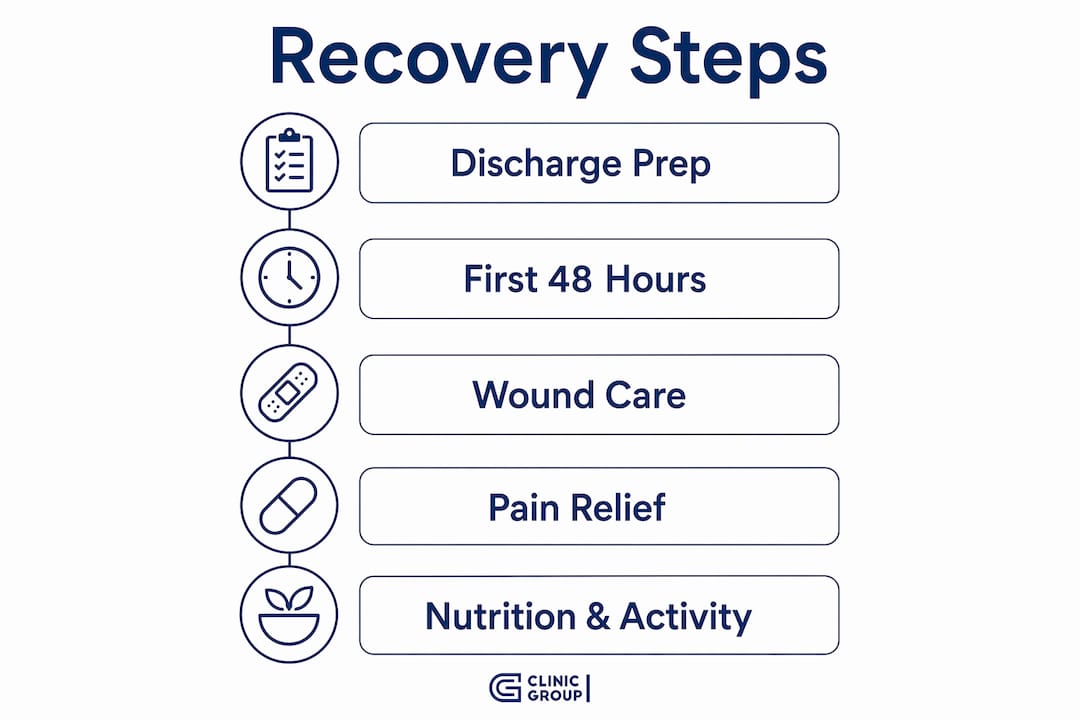
Step-by-step patient aftercare is the process of carefully managing recovery following a medical or dental procedure to promote healing and prevent complications. Clinicians and NHS teaching hospitals define it as a structured sequence of actions covering discharge planning, wound care, pain management, nutrition, and complication monitoring. Getting this sequence right matters more than most patients expect. Poor aftercare is one of the leading causes of avoidable readmissions and delayed healing. This guide draws on NHS and teaching hospital guidance to give you a clear, practical patient aftercare guide you can follow from the moment you leave the clinic.
How to prepare for discharge and initial home care
Discharge planning is the foundation of effective post-surgery care. Early discharge planning, involving the patient, their relatives, and the healthcare team, produces safer and more timely outcomes. Waiting until the day of discharge to think about home arrangements creates unnecessary stress and increases the risk of something going wrong.
The most effective discharge plans address practical logistics well before you leave. Bedfordshire Hospitals NHS Trust confirms that collaborative discharge conversations focused on what matters to the patient produce the best results. That means discussing transport, home environment, and support needs as early as possible during your stay.
What to arrange before you leave
Use this checklist on discharge day:
- Transport: Arrange a responsible adult to collect you. Do not drive yourself after sedation or general anaesthetic.
- Medication: Collect all prescribed medicines and confirm dosing instructions with your nurse or pharmacist before leaving.
- Home readiness: Confirm that heating is working, food is stocked, and your living space is accessible. Patients often overlook these logistics, and arriving home to a cold or unprepared environment adds unnecessary stress.
- Personal items: Take all belongings, discharge letters, and follow-up appointment details with you.
- Emergency contacts: Write down the clinic or ward number and know when to call.
- Carer support: Confirm that a trusted person will stay with you for at least the first 24 hours.
Managing the first 48 hours at home
The first 48 hours after discharge set the tone for your entire recovery. Rest is the priority, but complete inactivity is not recommended. Light movement, such as short walks around the house, supports circulation and reduces the risk of blood clots. Keep your discharge paperwork close and read the aftercare instructions for patients provided by your clinical team carefully. If anything is unclear, call the ward or clinic rather than guessing.

Pro Tip: Prepare a small recovery kit before your procedure date. Include gauze, prescribed medication, a soft pillow for elevation, and easy-to-prepare food. Having everything in one place removes the need to search when you are tired and sore.
Managing wound care, pain relief, and common side effects
Wound care after surgery or a dental procedure follows a clear sequence. Getting the steps right reduces infection risk and supports faster healing.
Wound cleaning: the correct approach
Clean wounds with water only until your clinical team advises otherwise. Avoid soap, antiseptic creams, or any topical product unless specifically prescribed. Pat the area dry gently with a clean cloth. Do not rub or apply pressure beyond what is needed to dry the skin. For dental patients, avoid touching the extraction site with your tongue or fingers during the first 24 hours.
Pain relief: stay ahead of the pain
Scheduled pain relief prevents pain from becoming severe. Hull University Teaching Hospitals NHS Trust advises taking analgesia regularly rather than waiting until pain is unbearable. This approach also supports participation in essential recovery activities like deep breathing and gentle movement, both of which reduce complications. Follow the dosing schedule on your prescription exactly, and do not skip doses because you feel comfortable. Pain often returns sharply once medication wears off.
Common post-anaesthetic side effects
Post-anaesthetic side effects such as sore throat, nausea, vomiting, dizziness, and agitation affect 10–20% of children and resolve within 24 hours. Adults experience similar symptoms, though typically milder. These effects are normal and do not indicate a problem with your procedure. If symptoms persist beyond 24 hours or worsen significantly, contact your clinical team.
Key dos and don’ts for wound care
- Do keep the wound area clean and dry between cleaning sessions.
- Do change dressings as instructed, using clean hands.
- Do monitor for signs of infection: redness spreading beyond the wound edge, warmth, swelling, or discharge.
- Don’t remove stitches yourself.
- Don’t submerge wounds in baths, swimming pools, or the sea until cleared by your clinician.
- Don’t disturb blood clots at dental extraction sites. Vigorous rinsing, spitting, and using straws within 24 hours post-extraction all increase the risk of dry socket.
Pro Tip: Set a phone alarm for each medication dose. Missing a dose is the most common reason patients experience a sudden spike in pain during the first two days of recovery.
Nutrition and activity guidance during recovery
What you eat and how much you move during recovery directly affects healing speed and comfort. Both diet and activity need to be adjusted carefully in the days following your procedure.
What to eat and drink
| Recovery phase | Recommended foods | Foods to avoid |
|---|---|---|
| First 24 hours | Cool, soft foods: yoghurt, mashed potato, soup (not hot) | Hot food and drinks, hard or crunchy foods |
| Days 2–5 | Soft, nutritious options: scrambled eggs, porridge, soft fish | Spicy food, alcohol, carbonated drinks |
| Day 6 onwards | Gradual return to normal diet as comfort allows | Smoking, excessive alcohol |
Avoiding hot food and drinks for the first 24 hours after a dental extraction reduces bleeding risk. Cool, soft foods minimise trauma to the healing site. For surgical patients, protein-rich foods support tissue repair, so prioritise eggs, fish, and dairy where your appetite allows.
Oral hygiene after dental procedures
Gentle warm salt-water rinses starting 24 hours after your procedure keep the area clean and lower infection risk. Use half a teaspoon of salt dissolved in a glass of warm water. Rinse gently without spitting forcefully. Do not use mouthwash containing alcohol during the first week unless your dentist specifies otherwise.
Activity levels during recovery
- Avoid strenuous exercise, heavy lifting, and bending for at least the first week after surgery.
- Short, gentle walks are beneficial from day one and support circulation.
- Return to work depends on the nature of your job. Desk-based roles may be possible within a few days; physical roles require longer rest.
- Avoid alcohol and smoking throughout recovery. Pre-operative lifestyle changes such as reducing smoking and alcohol intake support better recovery by reducing physiological stress. The same principle applies after your procedure.
For patients who have had rhinoplasty or other facial procedures, the rhinoplasty recovery guide from Clinicgroup provides week-by-week activity milestones that are useful as a reference point for pacing your return to normal life.
Recognising and managing common complications during aftercare
Complications are not inevitable, but knowing what to look for means you can act quickly if something goes wrong. Most problems are manageable when caught early.
Dry socket after dental extraction
Dry socket is the most common complication following a tooth extraction. Symptoms typically appear between days 3 and 5 after extraction and include increasing pain, bad breath, and a visible empty socket where the clot should be. If you notice these signs, contact your dentist promptly. Do not attempt to treat dry socket at home with over-the-counter products without guidance.
Managing abnormal bleeding
Some bleeding after a dental extraction is normal during the first few hours. Abnormal bleeding is bleeding that does not slow after applying firm, steady pressure. Apply pressure with gauze for 10–20 minutes without removing or checking the gauze during that time. Removing the gauze prematurely disrupts clot formation and restarts the bleeding cycle. If bleeding continues beyond 20 minutes of sustained pressure, seek urgent dental or medical advice.
Signs of infection
- Swelling that increases after the first 48 hours rather than decreasing
- Redness spreading outward from the wound
- Pus or unusual discharge
- Fever above 38°C
- A general feeling of being unwell that worsens rather than improves
Contact your clinical team or NHS 111 if you notice any of these signs. Do not wait to see if they resolve on their own.
Emotional health during recovery
Physical recovery and emotional wellbeing are closely linked. Emotional fluctuations such as irritability and tearfulness are common after surgery and usually improve as recovery progresses. Hull University Teaching Hospitals NHS Trust notes that persistent emotional symptoms require a GP review. Do not dismiss low mood or anxiety as trivial. Reaching out to your GP or clinical team early prevents these symptoms from becoming a longer-term concern.
“Recovery is not a straight line. Patients who monitor both their physical and emotional wellbeing, and who contact their healthcare team at the first sign of concern, consistently achieve better outcomes than those who wait and hope symptoms resolve on their own.”
For patients travelling internationally for treatment, the aftercare services guide from Clinicgroup explains how to access remote support and coordinate follow-up care from home.
Key takeaways
Effective stepwise patient recovery depends on preparation before discharge, consistent wound care, scheduled pain relief, and early recognition of complications.
| Point | Details |
|---|---|
| Start discharge planning early | Involve your carer and clinical team before your discharge date to avoid avoidable gaps in home readiness. |
| Take pain relief on schedule | Scheduled analgesia prevents severe pain and supports essential recovery activities like gentle movement. |
| Protect the wound site | Avoid disturbing blood clots, submerging wounds, or applying unprescribed products during the first week. |
| Know the warning signs | Increasing swelling, fever, pus, or worsening pain after day 2 require prompt contact with your clinical team. |
| Monitor emotional wellbeing | Mood fluctuations are normal post-surgery; persistent low mood or anxiety warrants a GP review. |
What I have learned from working with patients through recovery
Recovery rarely goes wrong because of the procedure itself. It goes wrong in the days after, when patients underestimate what their body needs or feel reluctant to ask for help.
The most consistent pattern I see is patients who skip pain medication because they feel “fine enough,” then find themselves unable to rest or move comfortably by day two. Scheduled analgesia is not about managing unbearable pain. It is about keeping inflammation low enough that your body can actually heal. That distinction changes how patients approach the first week entirely.
The second pattern is home unreadiness. Patients spend weeks researching their procedure and almost no time preparing their home environment. Arriving to a cold flat with no soft food prepared and no one to help is genuinely harmful to recovery. The practical checklist in this guide exists because these situations are avoidable with 30 minutes of preparation beforehand.
My honest view is that the patients who recover best are not the ones with the most medical knowledge. They are the ones who communicate clearly with their clinical team, follow their discharge instructions without improvising, and ask for help when something feels wrong. That combination is more powerful than any supplement or recovery product.
If you are travelling internationally for treatment, verified clinics with structured aftercare protocols make this process significantly more reliable. The aftercare checklist for patients is a practical starting point for building your own recovery plan before your procedure date.
— Clinic
How Clinicgroup supports your recovery from day one
Clinicgroup connects patients from the UK and across Europe with verified clinics and board-certified specialists in Albania and Dubai. Every treatment package includes more than the procedure itself. Patients receive support with travel logistics, partner hotel arrangements, and structured aftercare planning tailored to their specific treatment. Whether you are considering dental treatment abroad or plastic surgery, Clinicgroup’s clinical coordinators remain available throughout your recovery to answer questions and coordinate follow-up care. Transparent pricing and direct access to specialist teams mean you are never left managing complications alone. Contact Clinicgroup to discuss your treatment options and find out how aftercare support is built into every patient plan.
FAQ
What is step-by-step patient aftercare?
Step-by-step patient aftercare is a structured recovery process covering discharge preparation, wound care, pain management, nutrition, activity, and complication monitoring. It follows a defined sequence to promote healing and reduce the risk of complications after medical or dental procedures.
When should discharge planning begin?
Discharge planning should begin early during your hospital or clinic stay, not on the day you leave. Early planning involving the patient, carers, and healthcare team produces safer and more timely outcomes.
How do I know if my wound is infected?
Signs of infection include increasing swelling after 48 hours, spreading redness, pus or unusual discharge, fever above 38°C, and a general worsening of how you feel. Contact your clinical team or NHS 111 promptly if you notice these signs.
What causes dry socket and how is it prevented?
Dry socket occurs when the blood clot at a dental extraction site is dislodged or fails to form. Avoiding vigorous rinsing, spitting, straws, smoking, and hot drinks for the first 24 hours after extraction significantly reduces the risk. Symptoms typically appear between days 3 and 5 post-extraction.
Is it normal to feel emotional after surgery?
Yes. Irritability, tearfulness, and low mood are common after surgery and usually improve as physical recovery progresses. Persistent emotional symptoms that do not improve should be reviewed by a GP.