Your guide to safe, quality dental treatment abroad
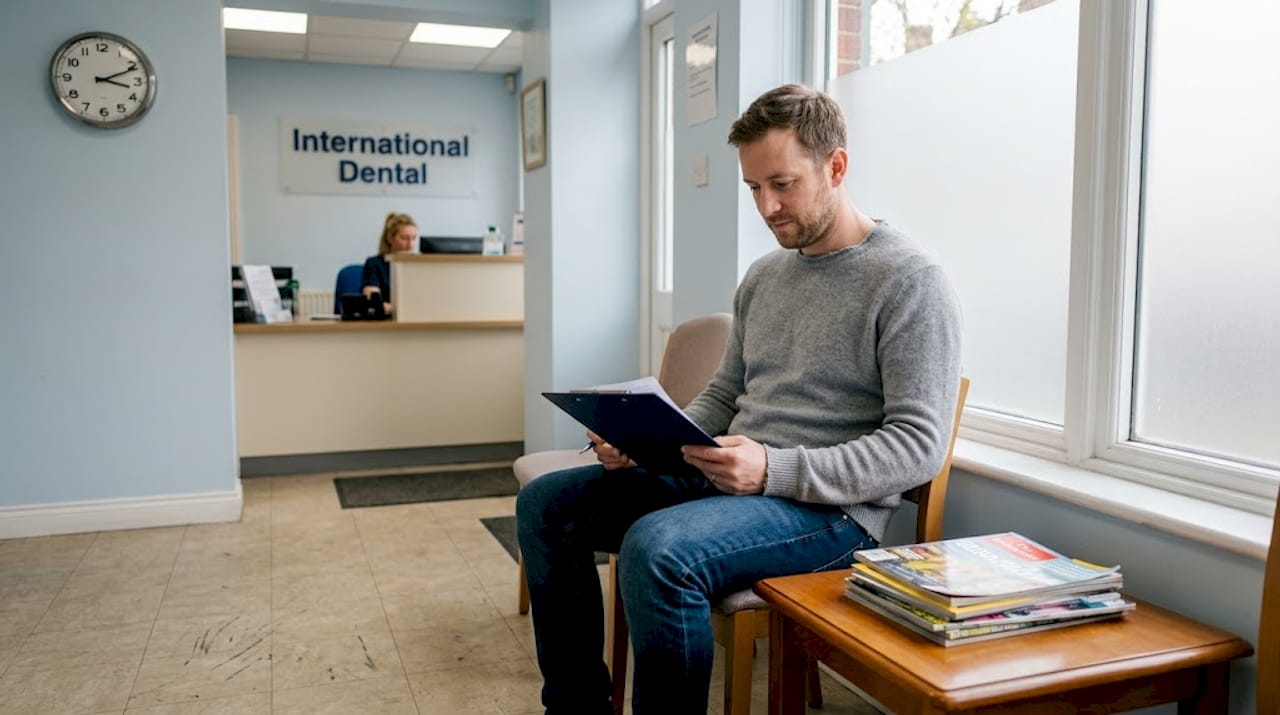
Dental tourism attracts millions of Europeans every year, drawn by the promise of significant savings on implants, veneers, and cosmetic work. Yet the appeal of lower prices comes with real risks that deserve serious attention. Reported complications include nerve damage, infections, and poor aftercare, and when things go wrong, NHS rescue treatment can cost two to three and a half times the original procedure fee. This guide walks you through every practical step, from assessing your needs and vetting clinics to preparing for your trip and securing proper aftercare, so you can make an informed, confident decision about dental care abroad.
Table of Contents
- Assessing your dental needs and goals
- Researching safe clinics and specialists
- Preparing for your treatment trip
- Ensuring aftercare and ongoing protection
- Why a focus on clinic quality matters more than the country
- Explore trusted dental treatment options with Clinic Group
- Frequently asked questions
Key Takeaways
| Point | Details |
|---|---|
| Know your needs | Start by clearly defining the dental treatment and specialist you require. |
| Check clinic credentials | Always confirm EU training, specialist qualifications, and clear material sourcing before booking. |
| Prepare thoroughly | Sort travel documents, medical records, and emergency contacts well in advance. |
| Prioritise aftercare | Ensure there is a plan for post-op care and keep all records for future reference. |
Assessing your dental needs and goals
Now that you understand the risks, the first step is getting clear on your own dental needs and expectations. Not all dental treatments carry the same level of complexity or risk, and knowing exactly what you need will shape every decision that follows.
Start by categorising your treatment. General dentistry covers routine work such as fillings, cleanings, and extractions. Cosmetic dentistry includes veneers, whitening, and smile makeovers. Surgical treatments, such as dental implants or bone grafting, require specialist surgeons and carry a higher risk profile. Knowing which category your needs fall into helps you identify the right type of professional to look for.
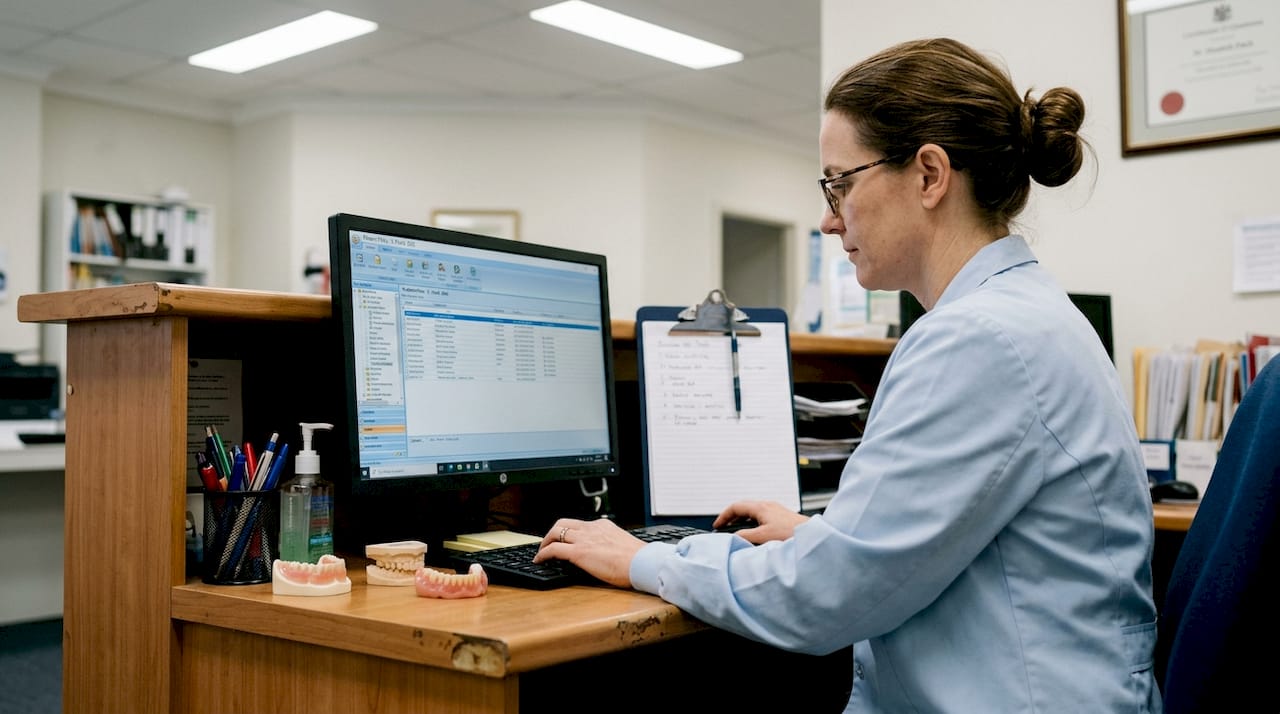
Some treatments carry considerably higher risks than others. Veneers, for example, require significant tooth preparation, and there is a 20% risk of tooth death following heavy prep work. The General Dental Council receives over 300 complaints per year related to treatment received in Turkey alone, which illustrates how common problems can be when patients choose based on price rather than quality. You can explore the full range of treatment types available through verified platforms to understand what each procedure involves.
Before booking anything abroad, ask yourself these questions:
- What is my primary goal: function, aesthetics, or both?
- Has a dentist at home confirmed my diagnosis in writing?
- Do I need a general dentist, a cosmetic specialist, or an oral surgeon?
- Am I prepared for the possibility of follow-up treatment at home?
- Do I understand the full recovery timeline for my chosen procedure?
“Patients who arrive abroad without a prior diagnosis from their home dentist are far more likely to receive over-treatment or unnecessary procedures.”
Pro Tip: Always obtain a thorough diagnosis and written treatment plan from a dentist in your home country before seeking care abroad. This gives you a clear baseline and protects you from being sold treatments you do not actually need.
Researching safe clinics and specialists
Once you have identified your treatment goals, the next critical move is researching potential clinics and dental experts. This step is where most patients either protect themselves well or leave themselves exposed.
The most important thing to understand is that quality hinges on the clinic, not the country. A reputable clinic in Budapest or Warsaw can deliver outstanding results, while a poorly run practice in any location can cause serious harm. What matters most is the individual clinic’s standards, the specialist’s training, and the materials they use.
When evaluating a clinic, look for the following:
- Dentists and surgeons trained at EU-accredited universities
- Transparent sourcing of implant brands and prosthetic materials
- Clear, itemised pricing with no hidden fees
- Verifiable patient reviews on independent platforms
- Accreditation from recognised dental or healthcare bodies
Warning signs to avoid include clinics that rely heavily on aggressive social media advertising without displaying credentials, those that offer unusually steep discounts without explanation, and any practice that cannot provide clear documentation of their specialists’ qualifications.
Use our clinic directory to compare EU-trained specialists and verified practices across Europe.
| Feature | Verified clinic | Unverified clinic |
|---|---|---|
| Specialist qualifications | EU-accredited, documented | Unclear or unavailable |
| Material sourcing | Named brands, transparent | Generic or unspecified |
| Pricing | Itemised and written | Vague or verbal only |
| Patient reviews | Independent platforms | Testimonials on own site |
| Aftercare policy | Written guarantee | Informal or absent |
“Patients who choose clinics based on social media promotions alone, without verifying credentials, face significantly higher rates of complications and dissatisfaction.”
Preparing for your treatment trip
Having chosen a safe clinic and specialist, practical preparation is essential to avoid stress or unexpected costs. Thorough preparation before you travel can mean the difference between a smooth experience and a costly ordeal.
Follow this numbered checklist to cover every essential area:
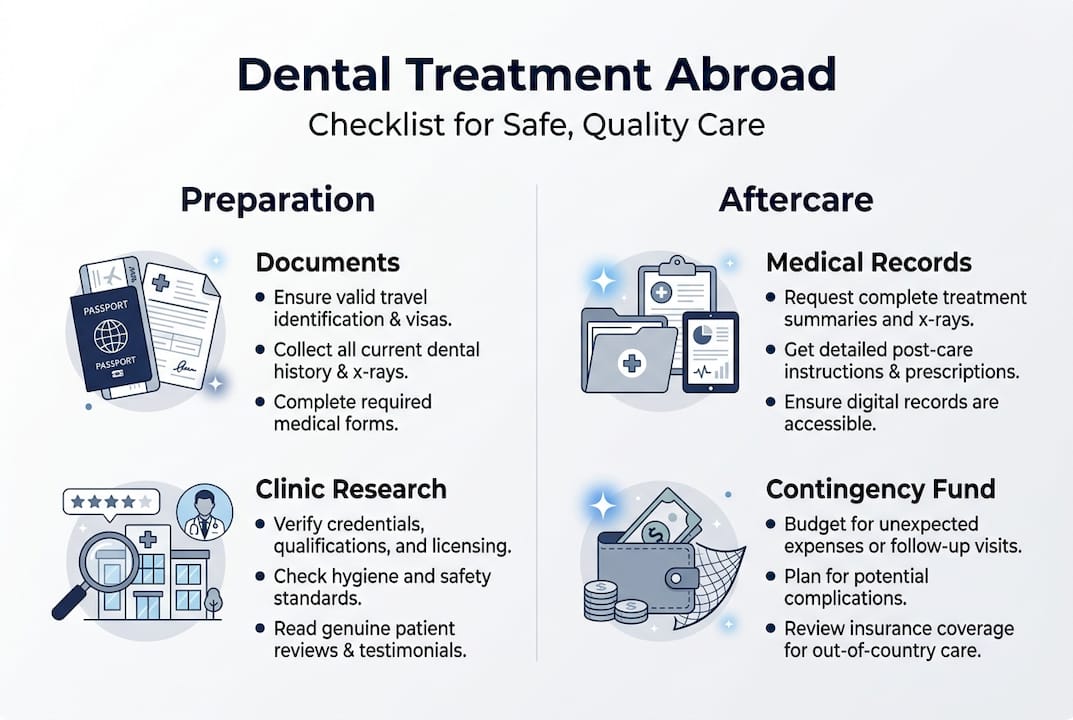
- Confirm your treatment plan in writing before paying any deposit, including the materials to be used and the full procedure timeline.
- Gather your full medical history, including current medications, allergies, and any previous dental work.
- Check your travel insurance covers dental complications and emergency medical evacuation.
- Research local emergency contacts including the nearest hospital and your country’s embassy or consulate.
- Set aside a contingency budget for follow-up care, as reported complications from dental tourism can result in NHS rescue costs two to three and a half times the original fee.
- Book a pre-travel consultation with your home dentist to confirm your fitness for the procedure.
| Preparation area | What to organise |
|---|---|
| Travel documents | Passport, visa if required, travel insurance policy |
| Medical records | X-rays, diagnosis notes, medication list |
| Finances | Treatment deposit, contingency fund, currency |
| Emergency contacts | Clinic out-of-hours number, local hospital, embassy |
| Aftercare plan | Home dentist appointment booked for post-return check |
Pro Tip: Set aside at least 20% of your total treatment cost as a contingency fund. If complications arise after you return home, you will need resources to address them promptly without financial strain.
You can search for trusted clinics worldwide through verified directories that provide all the documentation and support you need before you travel.
Ensuring aftercare and ongoing protection
Your procedure may be over, but aftercare and timely follow-up are where most problems either start or are avoided. Many patients focus entirely on the treatment itself and overlook what happens in the weeks and months afterwards.
Before you leave the clinic, make sure you have the following:
- A written post-operative care plan with clear instructions
- Direct contact details for your treating specialist in case of complications
- A written guarantee or warranty for any prosthetic work, implants, or veneers
- Complete copies of your X-rays, treatment notes, and materials used
- A scheduled follow-up appointment, either at the clinic or with your home dentist
Common mistakes patients make include skipping local check-ups after returning home, ignoring mild pain or swelling that could signal early complications, and failing to follow post-op dietary or hygiene instructions. These oversights can turn a manageable issue into a serious one.
Red flags for poor aftercare include:
- No written post-op instructions provided
- Clinic refuses to communicate after you have left
- No warranty or guarantee offered for prosthetic work
- Pressure to leave quickly without a proper recovery review
NHS rescue costs for dental tourism complications run at two to three and a half times the original treatment fee, and the General Dental Council regularly receives complaints about inadequate aftercare from overseas providers. Protecting yourself means staying proactive, not just during the trip but for months afterwards.
Pro Tip: Retain every receipt, medical record, and written communication from your clinic. If you ever need to seek follow-up care at home, having full documentation will make the process significantly faster and less expensive.
Why a focus on clinic quality matters more than the country
Stepping back from the process, it is worth considering what really determines success in dental tourism. The most common mistake patients make is choosing a destination based on reputation or price alone, rather than investigating the specific clinic and specialist they will be treated by.
Country of origin guarantees very little. A nation can have excellent dental schools and still have poorly run private clinics operating within its borders. Conversely, countries that carry a mixed reputation for dental tourism often house outstanding, internationally accredited practices. The evidence is clear: quality depends on the clinic, not the postcode.
Cheap package deals are particularly risky because they often cut corners on materials, specialist experience, and aftercare. A low headline price can mask the use of unbranded implants, rushed procedures, or inadequate sterilisation protocols. These are not hypothetical concerns; they are documented causes of real patient harm.
Our advice is straightforward. Prioritise safety and verified quality over short-term cost savings. Use platforms that allow you to find top clinics with transparent credentials, read genuine patient reviews, and compare specialists based on training and experience. The savings from dental tourism are real and worthwhile, but only when you do the research properly.
Explore trusted dental treatment options with Clinic Group
If you are ready to start your research with verified support behind you, Clinic Group makes the process straightforward and reassuring.
Our platform connects you with a curated network of verified clinics and trained specialists across Europe and the Middle East. You can browse treatment options ranging from implants and veneers to full smile makeovers, compare verified clinics by credentials and patient reviews, and book consultations directly through the platform. We support you at every stage, from your first search to post-operative follow-up, so you never have to navigate the process alone. Start your search today and take the first step towards safe, affordable, high-quality dental care abroad.
Frequently asked questions
How do I verify a dental clinic abroad is safe?
Check that specialists hold EU-recognised qualifications, look for independent patient reviews, and confirm the clinic can provide documented credentials. Clinics that prioritise high-volume specialists with premium materials are a reliable indicator of quality.
What risks should I watch for when seeking dental treatment overseas?
Risks include infections, peri-implantitis, poor aftercare, over-treatment, and the use of unbranded implants, all of which can lead to expensive corrective treatment when you return home.
Can I get aftercare in my home country after dental treatment abroad?
Yes, but it may not be straightforward or affordable. NHS rescue costs for complications arising from dental tourism typically run at two to three and a half times the original treatment fee.
How do I select the safest country for dental tourism?
Focus less on the country and more on the specific clinic and specialist. Quality depends on the clinic, not the destination, so research individual practices thoroughly before making any commitment.